Home
About
Products
Contact
News
NEWS CENTER
Projectors are one of the commonly used equipment in our life and work, and are widely used in meetings, speeches, education and other occasions. However, if you encounter a projector automatic iris failure, it will affect its normal use. This article will describe some workarounds.
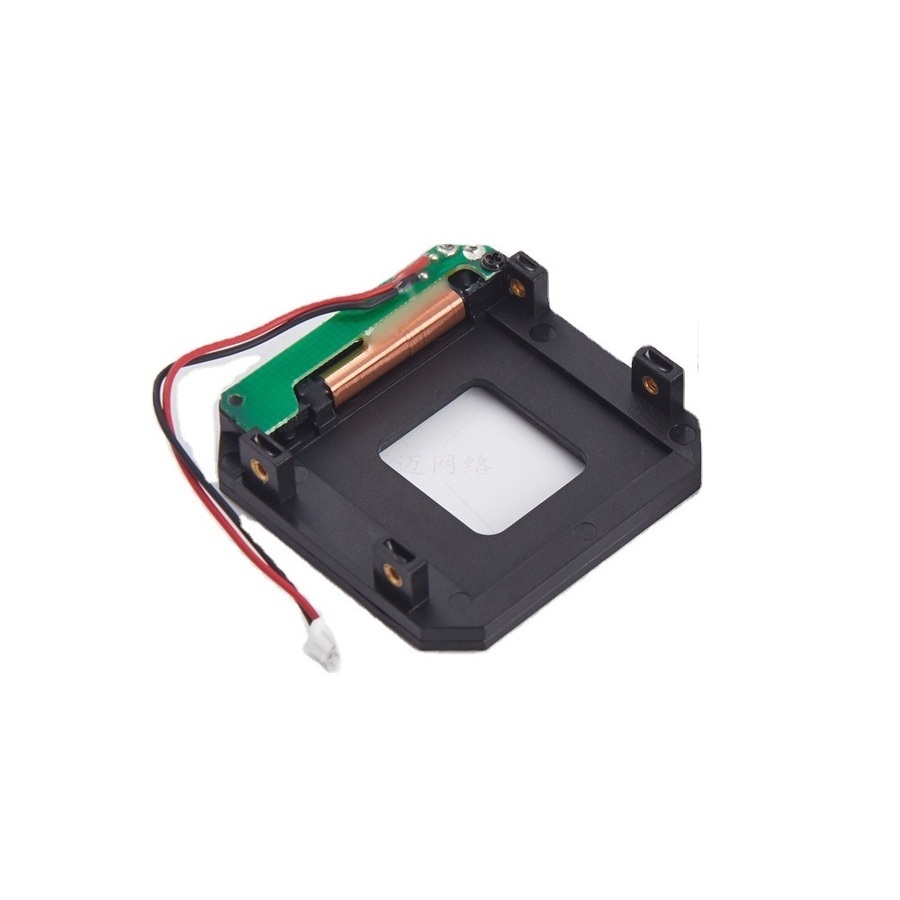
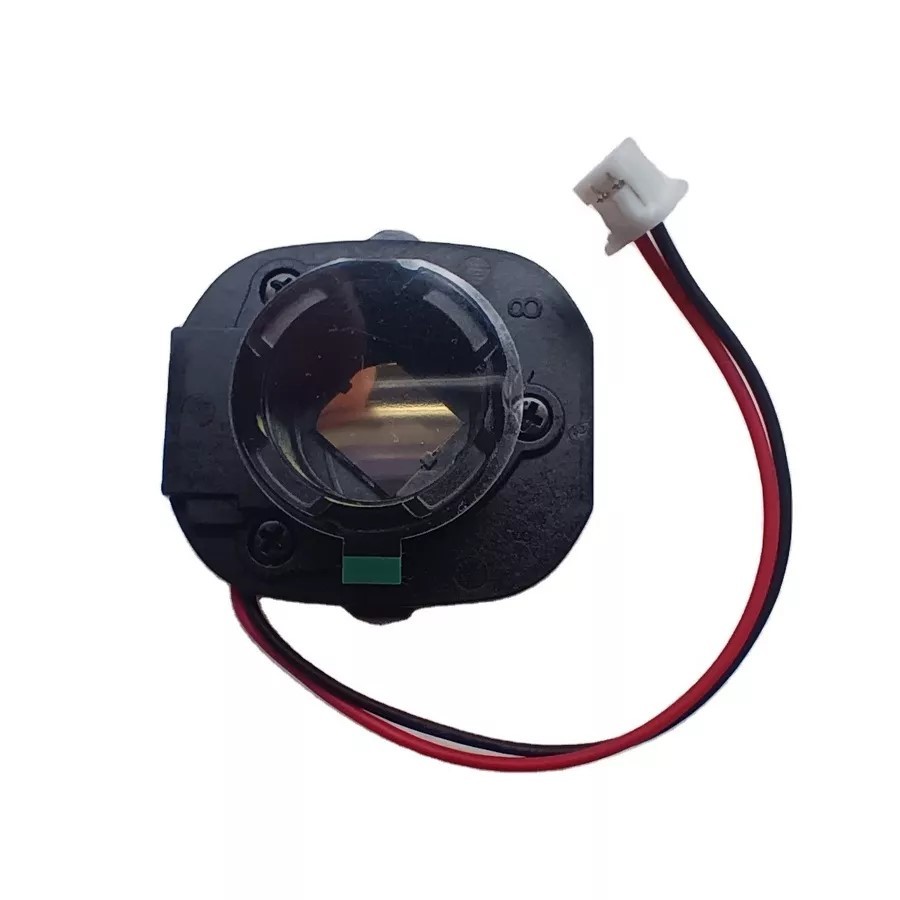
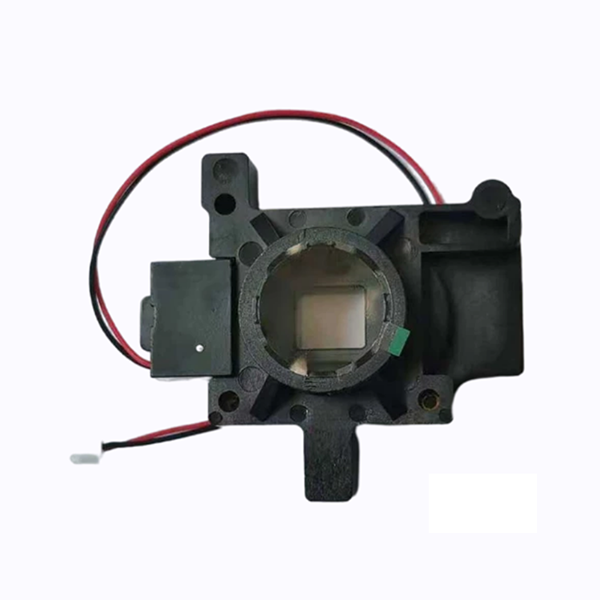
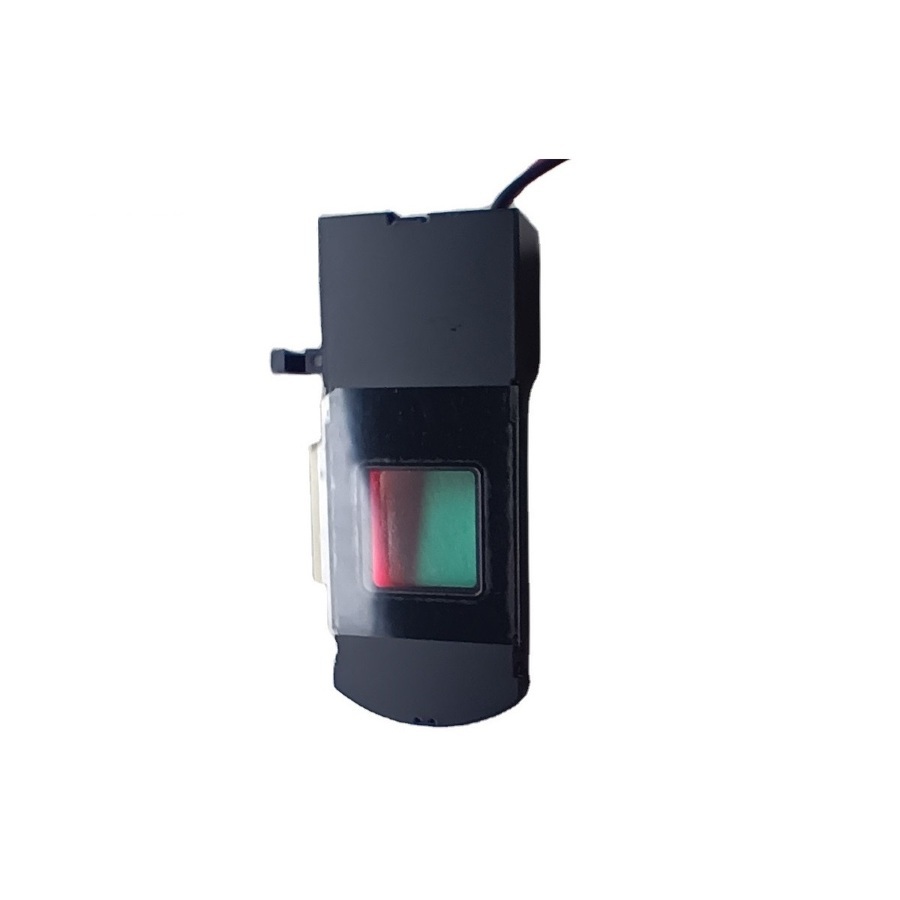
In front of the camera's lens, a full-spectrum lens film is built-in, driven by a microelectronic motor.
IR-CUT double filter refers to a set of filters built into the camera lens group, when the infrared sensing point outside the lens detects the intensity of the light, the built-in IR-CUT automatic switching filter can automatically switch according to the strength of the external light, so that the image achieves the best effect. This means that the dual filter automatically switches filters day or night, so you can get the best possible image day or night.
The earliest lenses consisted of only one convex lens, which was the best structure and the worst
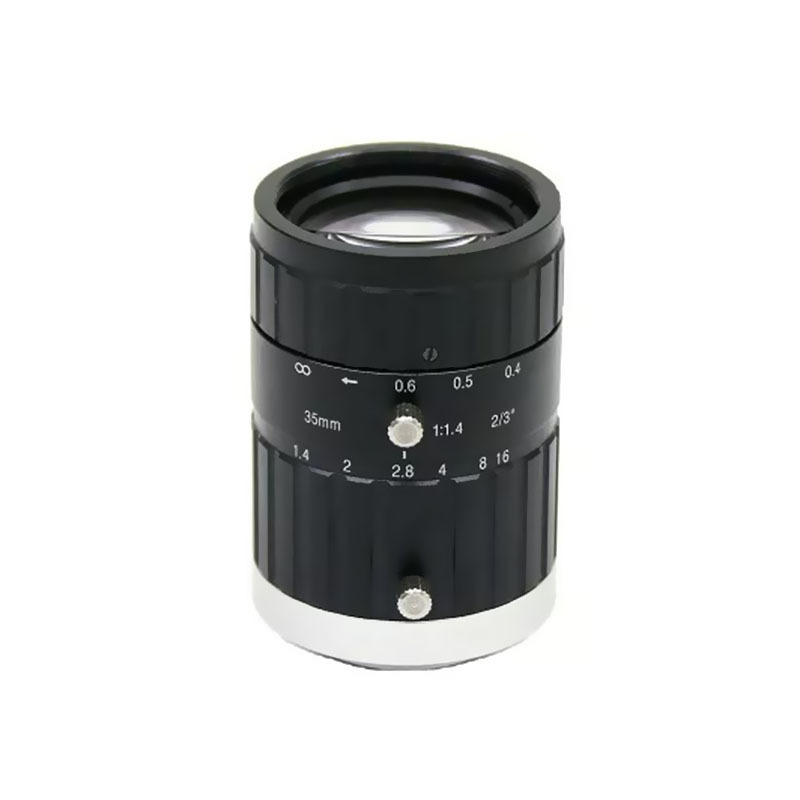
SLR lenses generally contain five parts: lens, aperture blades, zoom ring (no prime lenses), focus ring, and distance scale.
The lens is equivalent to the lens of the human eye, without which the human eye will not see anything; Without a lens, then the camera will not be able to output a clear image.
Telecentric industrial lens is mainly to correct the parallax of traditional industrial lens and specially designed lens, it can be within a certain object distance, so that the obtained image magnification will not change with the change of object distance, which is a very important application for the situation that the measured object is not on the same object surface.
We know that when using common optical systems for visual inspection, the following problems are often plagued:
Contrast contrast is very important for machine vision. The important task of lighting for machine vision applications is to generate a large contrast between the features that need to be observed and the image features that need to be ignored, so that it is easy to distinguish features. Contrast is defined as a sufficient gray measure difference between a feature and the area around it. Good lighting should ensure that the features to be detected stand out from other backgrounds.
Industrial cameras have very short shutter times and can capture fast-moving objects: for example, attach a business card to an electric fan blade, rotate it at maximum speed, and then capture an image with an industrial camera and still be able to clearly distinguish the font on the alias film. It is impossible to achieve such an effect when shooting with a normal camera.